
Material Handling Manufacturer in China
Expert
Fabric Roll Rack
Manufacturer
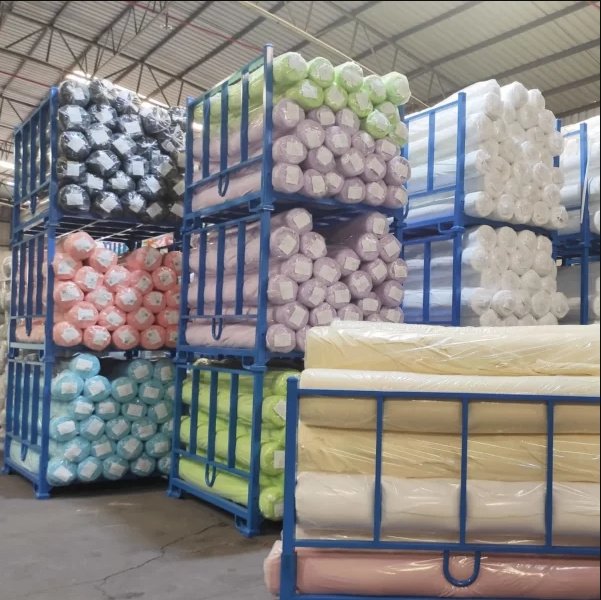
A fabric roll rack is a storage solution used to organize and store fabric rolls in warehouses, production units, and textile-related facilities. Also referred to as carpet roll racks, these systems are designed to hold rolls in a structured manner while keeping storage areas orderly and accessible.
Purpose of a Fabric Roll Rack
Fabric rolls are bulky and cylindrical, which can make floor storage or uneven stacking difficult to manage. A fabric roll rack provides a designated storage structure where rolls can be placed individually, helping maintain order and consistency within storage areas.
Typical Uses
- ✔ Holding fabric rolls in an organized layout
- ✔ Supporting easier access during handling
- ✔ Helping maintain clear storage zones
Why Warehouses Choose Fabric Roll Rack
General Features
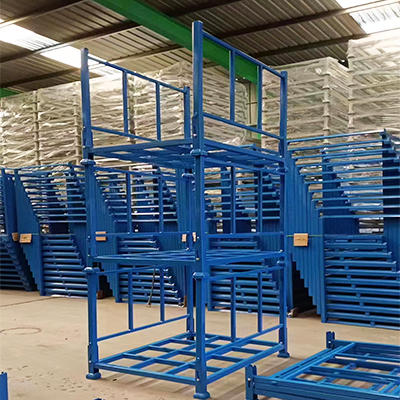
Fabric roll racks are commonly designed to accommodate different roll sizes and materials used in textile and manufacturing environments.
Common design characteristics may include:
- Steel or metal frame construction
- Fixed or adjustable rack configurations
- Open structures for visibility
- Designs intended for manual or assisted handling
Actual specifications can vary depending on rack type and application.
Areas Of Use
Fabric roll racks are used across various industries where rolled materials are handled as part of daily operations, such as:
- Textile warehouses
- Fabric processing units
- Garment production facilities
- Upholstery and furnishing workshops
- Material distribution centres
The suitability of a rack depends on roll dimensions, weight, and handling methods.
Design Variations
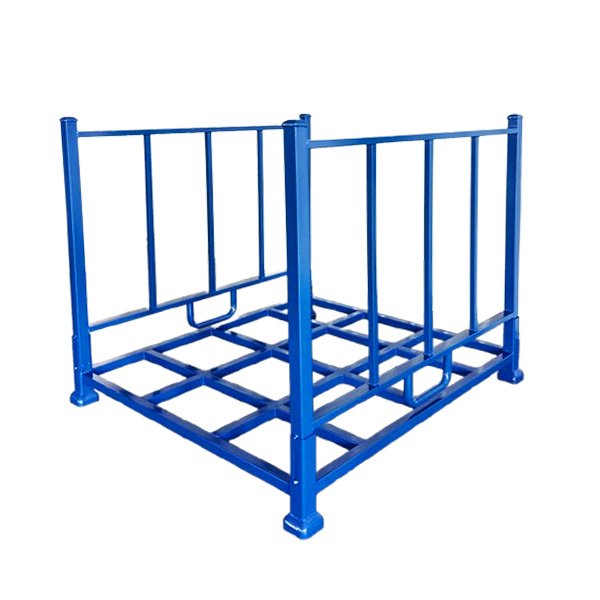
Fabric roll racks are available in multiple configurations to suit different storage layouts and operational preferences.
Horizontal fabric roll racks
Ideal for storing rolls side by side, keeping materials visible and easy to pull for cutting or inspection.
Vertical stand-type racks
Space-saving design that keeps rolls upright and separated, reducing damage from crushing or bending.
Multi-level roll storage systems
Tiered rack levels allow higher-density storage while maintaining clear segmentation by fabric type or order.
Mobile & fixed heavy-duty racks
Mobile racks with wheels support flexible layouts, while fixed steel options serve permanent high-capacity zones.
Storage and Visibility
Using a fabric roll rack helps keep fabric rolls stored in a defined arrangement, allowing rolls to remain visible without unnecessary movement or re-stacking.
Easier identification of materials
Clearly separated rolls make it simpler for operators to find the right fabric without searching through piles.
Cleaner storage areas
Keeping rolls off the floor reduces clutter, dust buildup, and potential damage from contact with traffic areas.
More organized workflows
Defined rack locations support smoother picking, cutting, and put-away processes throughout the facility.
Space organization & flow
Using racks instead of floor stacking helps maintain clearer walkways and more structured storage zones, though impact depends on rack design and placement.
Materials and Construction
Depending on the model, fabric roll racks may include reinforced frames, protective coatings, and connection details designed for long-term stability.
Reinforced frames
Heavy-gauge steel members sized to support fabric roll weight and resist bending under repeated loading.
Protective surface coatings
Painted, powder-coated, or galvanized finishes that help resist wear, moisture, and corrosion in demanding environments.
Welded or bolted joints
Frame connections configured either as fully welded assemblies or as bolted components for easier transport and replacement.
Smooth edges for handling
Rolled or finished edges around contact points to reduce fabric snagging and improve safety during manual handling.
Customization Availability
Fabric roll racks can be manufactured in different sizes and configurations based on specific storage needs.
Rack dimensions
Height, depth, and length can be scaled to match roll size, ceiling height, and available floor space.
Roll capacity
Beam strength and level count are set according to roll weight, diameter, and the number of rolls per bay.
Surface finish
Options such as powder coating or galvanizing are selected based on humidity, dust, and wear conditions.
Fixed or mobile designs
Static frames or mobile units on wheels can be specified depending on how often racks need to be repositioned.
Single or multi-tier layouts
One-level, mezzanine-supported, or multi-tier systems are configured to suit vertical space and workflow.
Fabric Roll Rack Solutions From HM Group
A fabric roll rack serves as a structured storage option for handling fabric rolls across different environments.
For general inquiries, product details, or customized requirements, HM Group can provide guidance based on your specific application and storage setup.
Contact Our Team